Beginner’s Guide to Term vs Whole Life Insurance

Beginner’s Guide to Term vs Whole Life Insurance
Term vs Whole Life Insurance: The Quick Answer
Term life insurance covers you for a set period, often 10 to 30 years depending on the policy. It generally pays a death benefit if you die while the policy is active, but it does not build cash value.
Whole life insurance is designed to last for your lifetime, as long as required premiums are paid and policy terms are met. It includes a death benefit and builds cash value that may be available through withdrawals, loans, or surrendering the policy, subject to the contract and potential tax consequences.
For many people comparing term vs whole life insurance, the choice comes down to this:
- Choose term life when you need coverage for a temporary responsibility, such as replacing income, paying a mortgage, raising children, or covering business obligations.
- Consider whole life when you have a lifelong coverage need, can commit to the premiums, and value permanent protection with cash-value growth.
Both policy types can help protect the people who depend on you. The right fit depends on how long the need will last, the coverage amount you need, and what you can comfortably maintain over time.
I am Leo Truong, a licensed life insurance agent who helps individuals, families, and business owners understand and compare available life insurance options. In this guide to term vs whole life insurance, I will break down the key differences so you can make a clearer choice for your family, household, or business responsibilities.

Term vs Whole Life Insurance: Core Differences and Mechanics
When deciding between coverage structures, understanding the underlying mechanics helps clarify which product may match your long-term goals. For an exhaustive overview of how these categories stack up, explore The Definitive Guide to Term vs Permanent Life Insurance Costs Benefits.
| Feature | Term Life Insurance | Whole Life Insurance |
|---|---|---|
| Duration of Coverage | Specific term, often 10 to 30 years depending on the policy | Lifelong if required premiums are paid and policy terms are met |
| Premium Affordability | Typically lower initial cost for a given death benefit | Typically higher premium structure |
| Cash Value Component | None | Cash value accumulation based on policy terms |
| Dividend Potential | Typically does not pay dividends | Participating policies may pay annual dividends, but dividends are not guaranteed |
| Early Cancellation Cost | Coverage generally lapses without cash value | Surrender charges or tax consequences may apply, depending on the policy |
| Death Benefit Payout | Generally payable only if death occurs within the active term and the policy is in force | Designed to pay a death benefit at death if the policy remains in force |
Understanding Term Life Insurance Policies
Term life insurance provides straightforward, temporary protection. A policyholder selects a timeframe—commonly 10, 15, 20, 25, or 30 years depending on carrier availability—and pays premiums according to the policy schedule. If the insured individual passes away while the policy remains active, the named beneficiaries generally receive a lump-sum death benefit that is often income-tax-free under current federal rules, though individual tax situations can vary.
Because term policies do not allocate premium toward an internal cash value account, they build no cash value. Once the chosen term expires, the coverage ends unless the policy includes a renewal feature, conversion option, or other continuation provision. This simplicity can make term insurance an efficient way to secure higher death benefit amounts during years when financial obligations like mortgages, childcare, and income replacement are significant.
Understanding Whole Life Insurance and Cash Value
Whole life insurance is a form of permanent coverage designed to remain in place for the insured’s entire lifetime, provided required premiums are paid and policy terms are met. A portion of each premium supports the cost of insurance and policy expenses, while another portion contributes to the policy’s cash value.
Over time, this cash value grows according to the guarantees and terms stated in the contract. Policyholders may be able to access accumulated cash value during their lifetime through policy loans or withdrawals. However, loans, withdrawals, and unpaid loan interest can reduce the death benefit, reduce cash value, cause a lapse, or create tax consequences depending on the policy and circumstances.
Additionally, some whole life policies issued by mutual insurers may be “participating,” meaning they are eligible to receive annual dividends. Dividends can be paid by some carriers, but they are never guaranteed and are subject to the insurer’s annual results and board approval. If you decide to terminate coverage early, surrender charges, reduced cash value, or tax consequences may apply depending on the policy and timing. For evaluating coverage needs across different life stages, reviewing A Practical Guide to Evaluating Life Insurance Need in Retirement provides additional context.

Key Similarities and Common Policy Riders
Despite their structural differences, term and whole life share foundational insurance principles. Both types are designed to provide a death benefit to designated beneficiaries when coverage is in force, require premium payments to prevent lapse, and may offer rates or benefits that remain fixed for a guaranteed period depending on the policy. Understanding the underwriting journey is critical for both, and our Step by Step Guide to Life Insurance Underwriting walks through what carriers look for during health assessments.

Comparing Riders in Term vs Whole Life Insurance
Policy riders are optional endorsements added to a base policy to customize coverage. Availability, eligibility, cost, and benefit triggers vary by insurer, product, state, age, and underwriting. Common options may include:
- Waiver of Premium Rider: May waive future premium obligations if the policyholder meets the rider’s disability definition, helping keep coverage intact.
- Accelerated Death Benefit Rider: May allow the insured to access a portion of the policy’s death benefit early after a qualifying terminal, chronic, or critical illness event, depending on the rider language.
- Term Conversion Rider: Included in many term policies, this may allow the owner to convert a term policy into eligible permanent life insurance before a stated deadline, often without a new medical exam.
- Accidental Death Benefit Rider: May pay an additional amount on top of the base death benefit if death occurs as a direct result of a covered accident, subject to exclusions and rider terms.
Grace Periods and Underwriting Requirements
Life insurance policies typically include a grace period, often around 30 or 31 days depending on the policy and state requirements. If you miss a scheduled premium due date, the grace period may allow time to remit payment before the policy lapses, but exact timing and conditions vary by contract.
Both coverage styles often rely on underwriting to determine eligibility and pricing. This process may evaluate age, medical history, tobacco use, lifestyle hobbies, and family health history. Depending on the carrier, product, coverage amount, and applicant profile, underwriting may include a paramedical exam, prescription-history review, medical-record review, or accelerated underwriting pathway.
Determining Coverage Needs and Policy Fit
Choosing between these two structures starts with evaluating your liabilities, household goals, and budget.
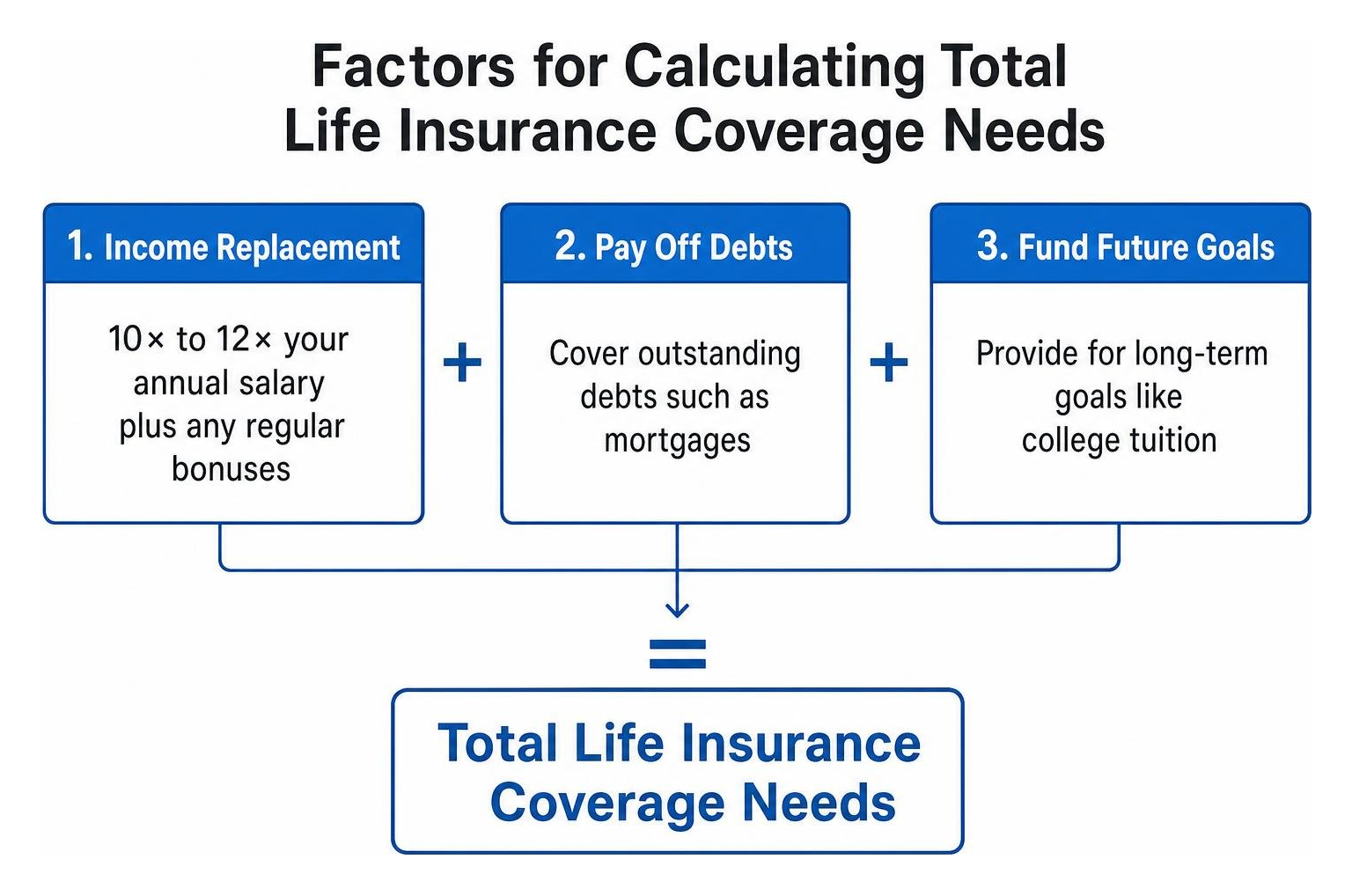
Instead of relying on a universal salary multiple, estimate the obligations you want coverage to address. These may include income replacement, mortgage or rent support, childcare, education goals, final expenses, business obligations, or support for dependents. The appropriate coverage amount depends on your household, existing savings, debts, policy purpose, and how long the need is expected to last.
Analyzing Term vs Whole Life Insurance Suitability
Term Life Insurance may fit people who want:
- Substantial death benefit protection at a lower initial premium during key earning years.
- Coverage length that roughly matches a temporary obligation, such as a 15- or 30-year mortgage.
- Income-replacement protection during primary working years while savings and other resources are still being built.
Whole Life Insurance may fit people who want:
- Coverage intended to remain in force for life, including situations involving lifelong dependents or permanent family protection goals.
- Permanent liquidity that may help with legacy, estate-related, or beneficiary-planning needs, while recognizing that tax or legal questions should be reviewed with qualified professionals.
- Death benefit protection combined with policy cash value accumulation, provided the premium commitment remains manageable over time.
How to Buy Term and Whole Life Insurance
Purchasing life insurance involves several clear steps to help you evaluate the appropriate coverage amount and policy type.

Steps to Buy Term Life Insurance
- Calculate Coverage and Duration: Identify your financial obligations and select a term length, such as 20 or 30 years, that aligns with the years you want protected.
- Compare Available Quotes: Evaluate pricing across available reputable carriers, when multiple options are available, and review factors such as product features and financial strength ratings.
- Submit the Application: Complete the personal, financial, and medical questionnaire required by the carrier.
- Complete Underwriting: If required, complete the carrier’s underwriting steps. Timelines vary by insurer, product, coverage amount, and whether medical records or exams are needed.
- Accept and Activate: Review the final policy offer, designate beneficiaries, and make the first required premium payment to activate coverage.
Steps to Buy Whole Life Insurance
- Define Permanent Coverage Goals: Clarify the specific lifetime need, such as legacy goals, permanent family protection, or support for a lifelong dependent.
- Review Policy Illustrations: Request and examine a detailed illustration showing guaranteed values separately from non-guaranteed dividend or performance-based projections.
- Select Dividend Options: If the policy is participating and dividends are declared, decide how potential dividends would be handled, such as purchasing paid-up additional insurance, reducing premiums, or accumulating interest.
- Commit to the Premium Schedule: Ensure the ongoing premium fits comfortably within your long-term recurring budget to reduce the risk of early surrender or lapse.
- Finalize and Fund: Complete formal underwriting if required, sign final contract acceptances, and initiate premium funding.
Frequently Asked Questions About Life Insurance
What happens if you outlive a term life insurance policy?
If you outlive the active term, the policy typically expires and coverage terminates without a death benefit payout. Some carriers offer the option to renew coverage on an annual basis, though renewal rates often increase each year based on attained age and policy terms. Alternatively, if your policy includes a conversion rider, you may be able to convert the term policy into eligible permanent life insurance before the conversion deadline, often without submitting new medical evidence.
Can you access cash value while living?
Whole life insurance may allow policyholders to access accumulated cash value through policy loans, withdrawals, or surrendering the policy. Accessing cash value can reduce the net death benefit payable to beneficiaries, reduce available cash value, create interest charges, or trigger tax consequences depending on the policy and how funds are accessed. Surrendering the policy entirely terminates coverage, and early surrender may be subject to insurer surrender charges.
Are whole life insurance dividends guaranteed?
No, dividends are not guaranteed. They may be paid when a participating life insurance company performs better than anticipated regarding factors such as mortality costs, investment returns, and administrative expenses. Dividend payments remain non-guaranteed and subject to annual board approval.
Conclusion
Both term and whole life insurance can provide financial protection, but each serves distinctly different personal and family timelines. Term insurance offers coverage for temporary needs at a typically lower initial premium, while whole life offers lifelong protection and cash value features when the policy is kept in force according to its terms.
To explore available policy types and compare options tailored to your household’s goals, visit our main Life Insurance resource page or explore our guidance at Plan With Leo. As a licensed life insurance agent, Leo Truong helps buyers understand and compare available life insurance options with clear, educational guidance so you can make informed decisions with confidence.